Off-Grid vs. Grid-Tied Solar
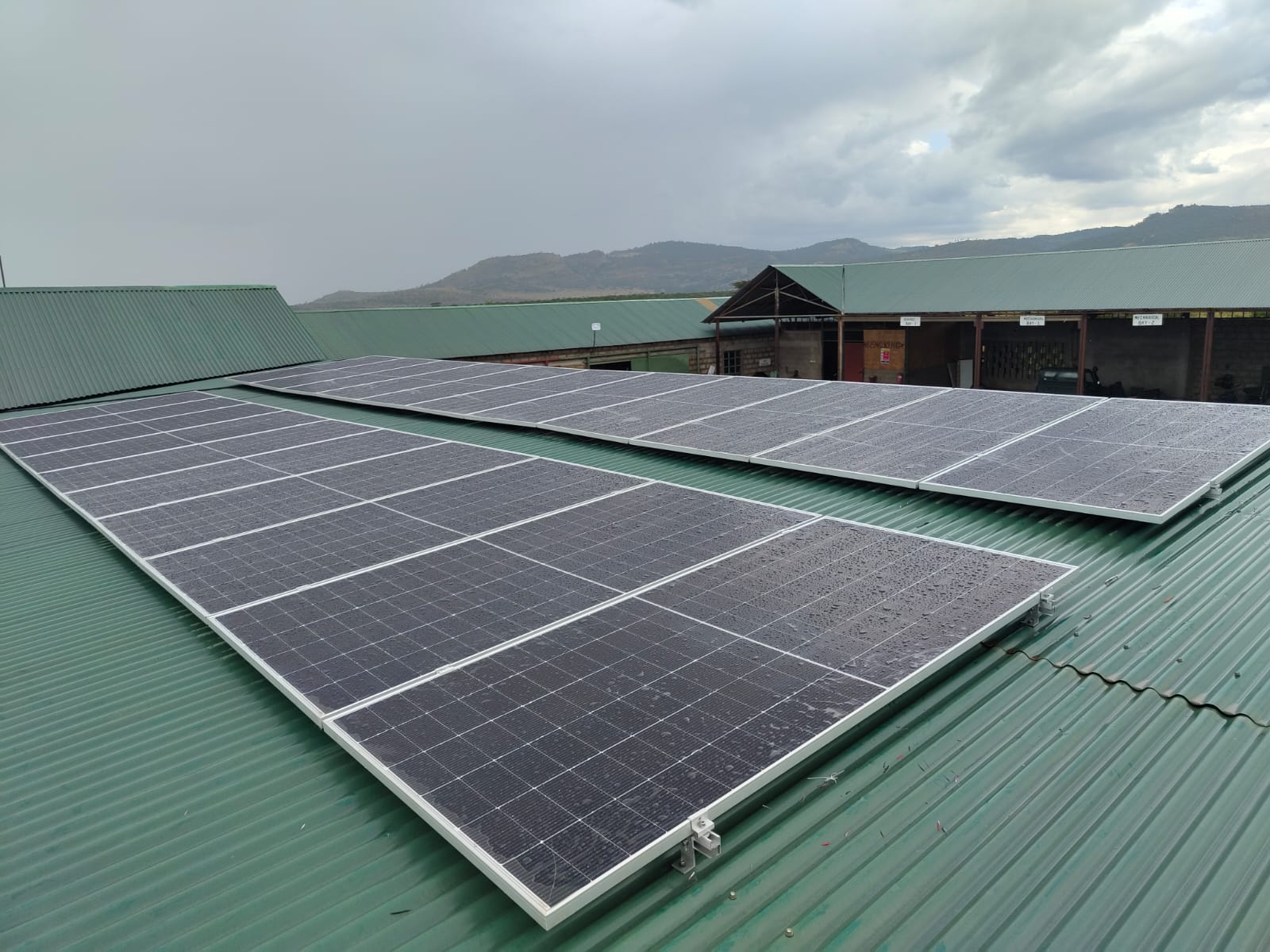
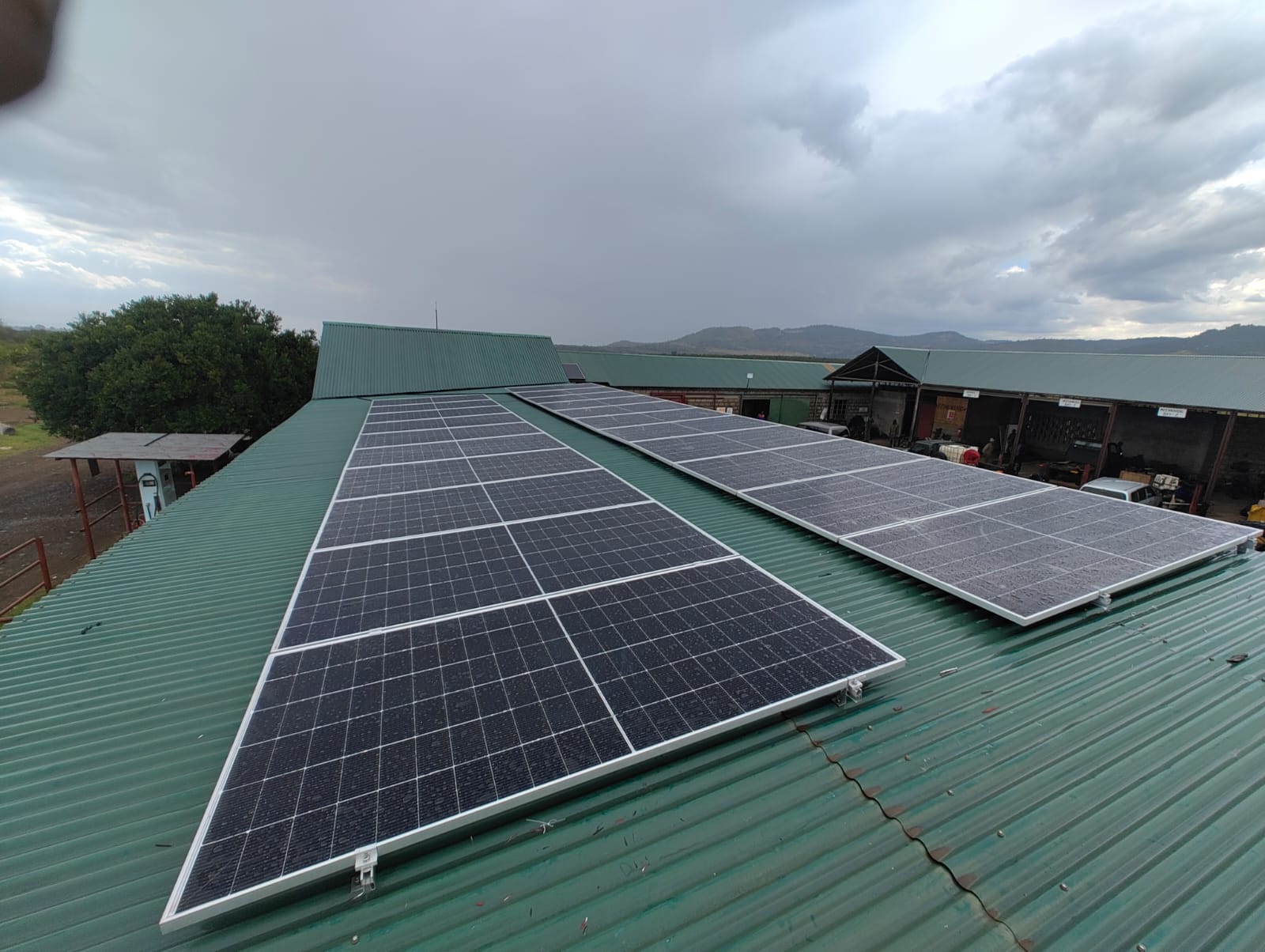
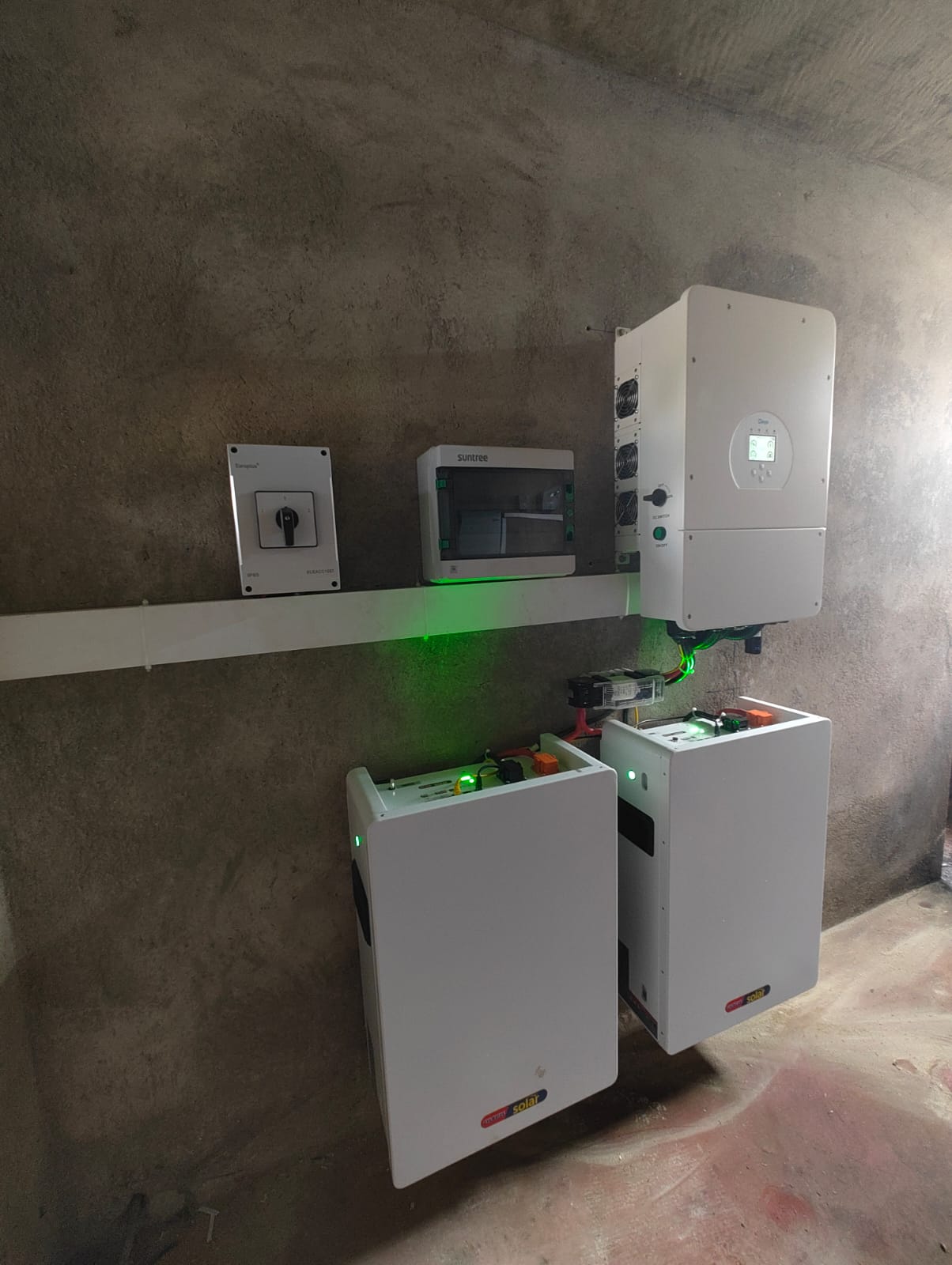
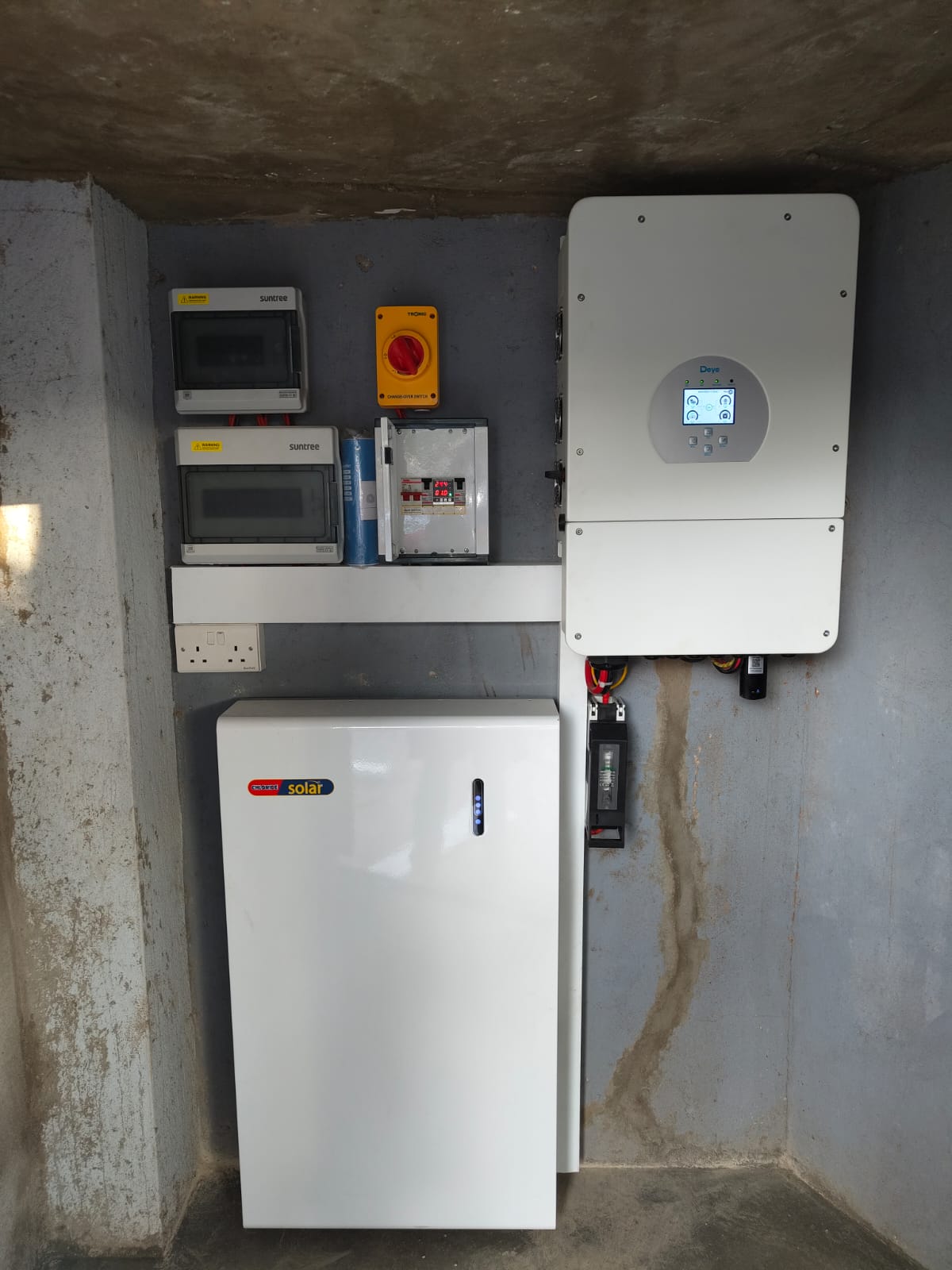
Your Path to Energy Independence
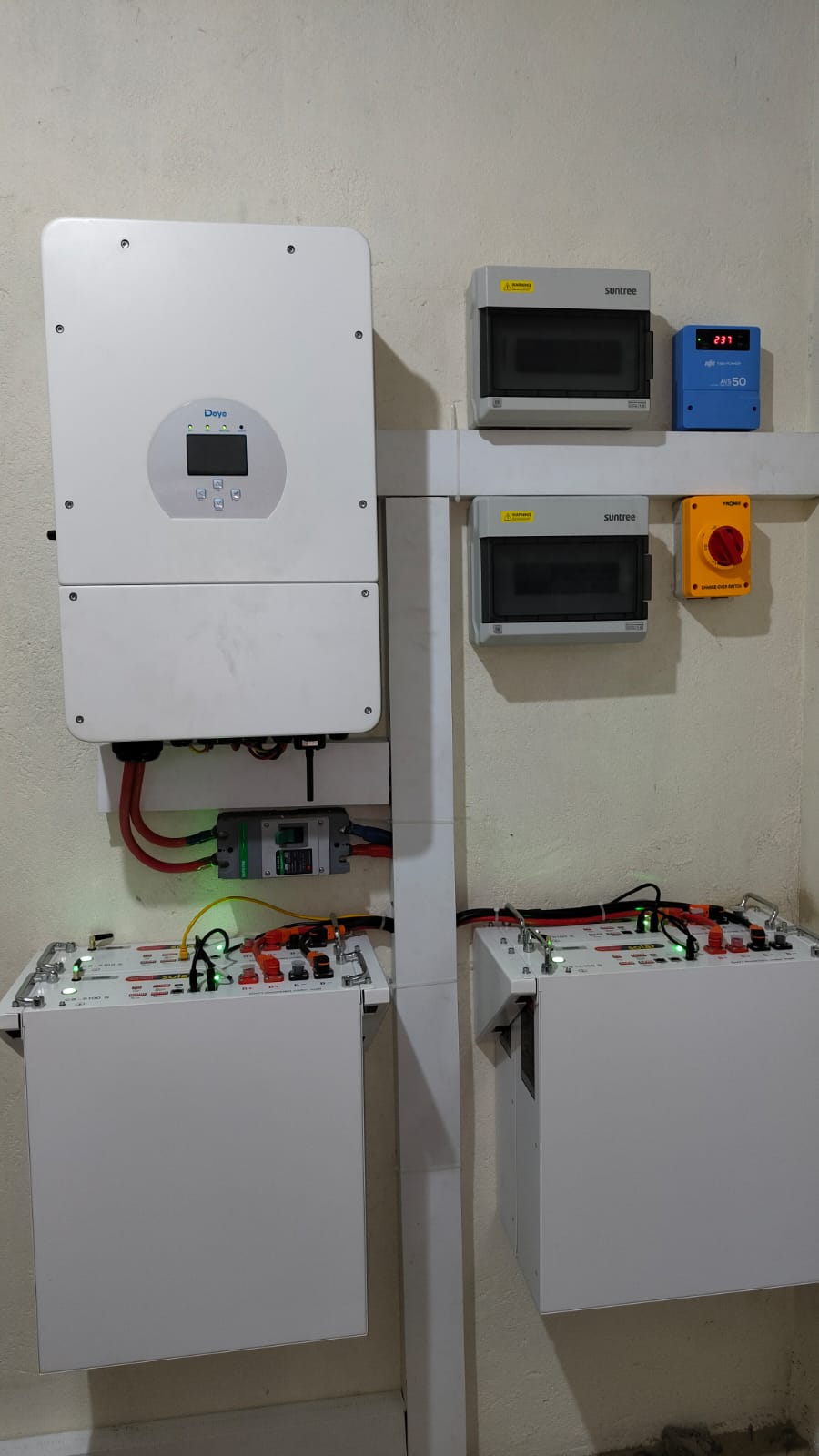
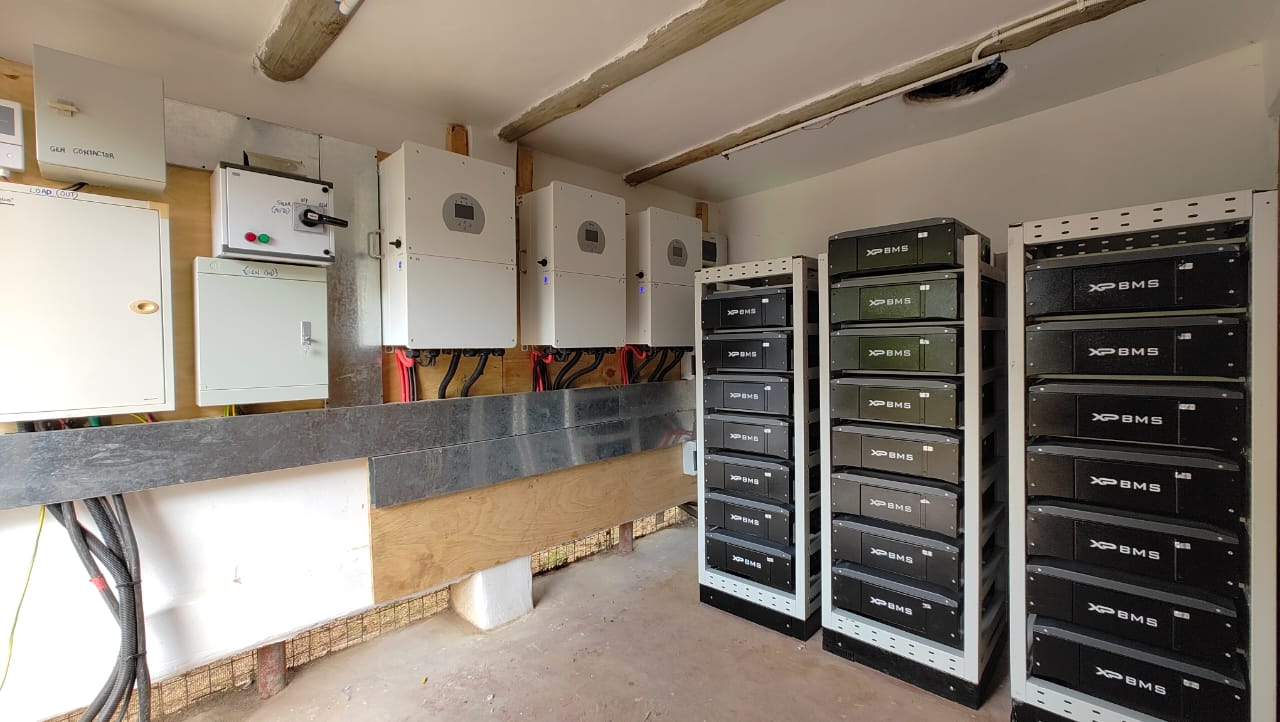
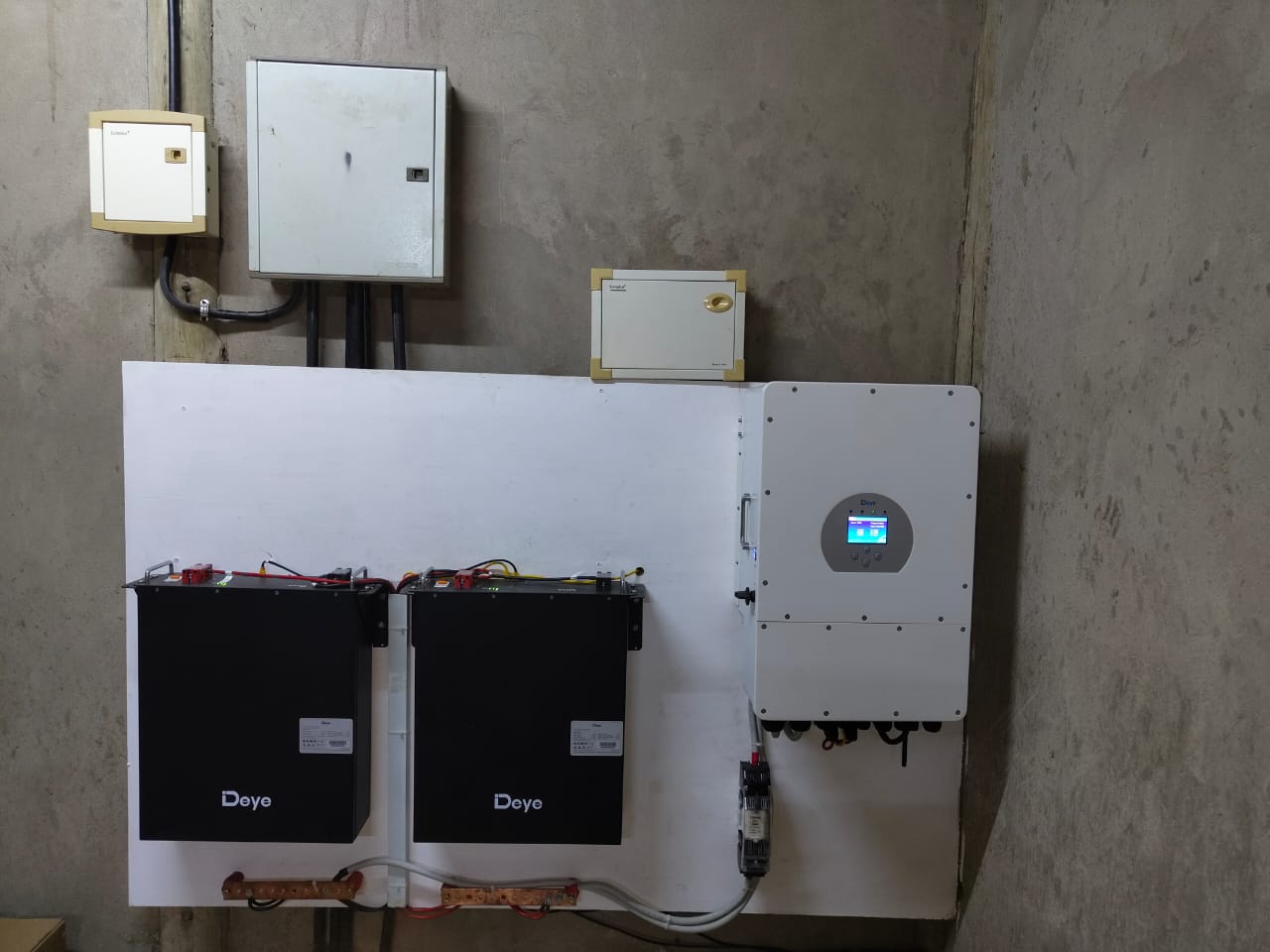
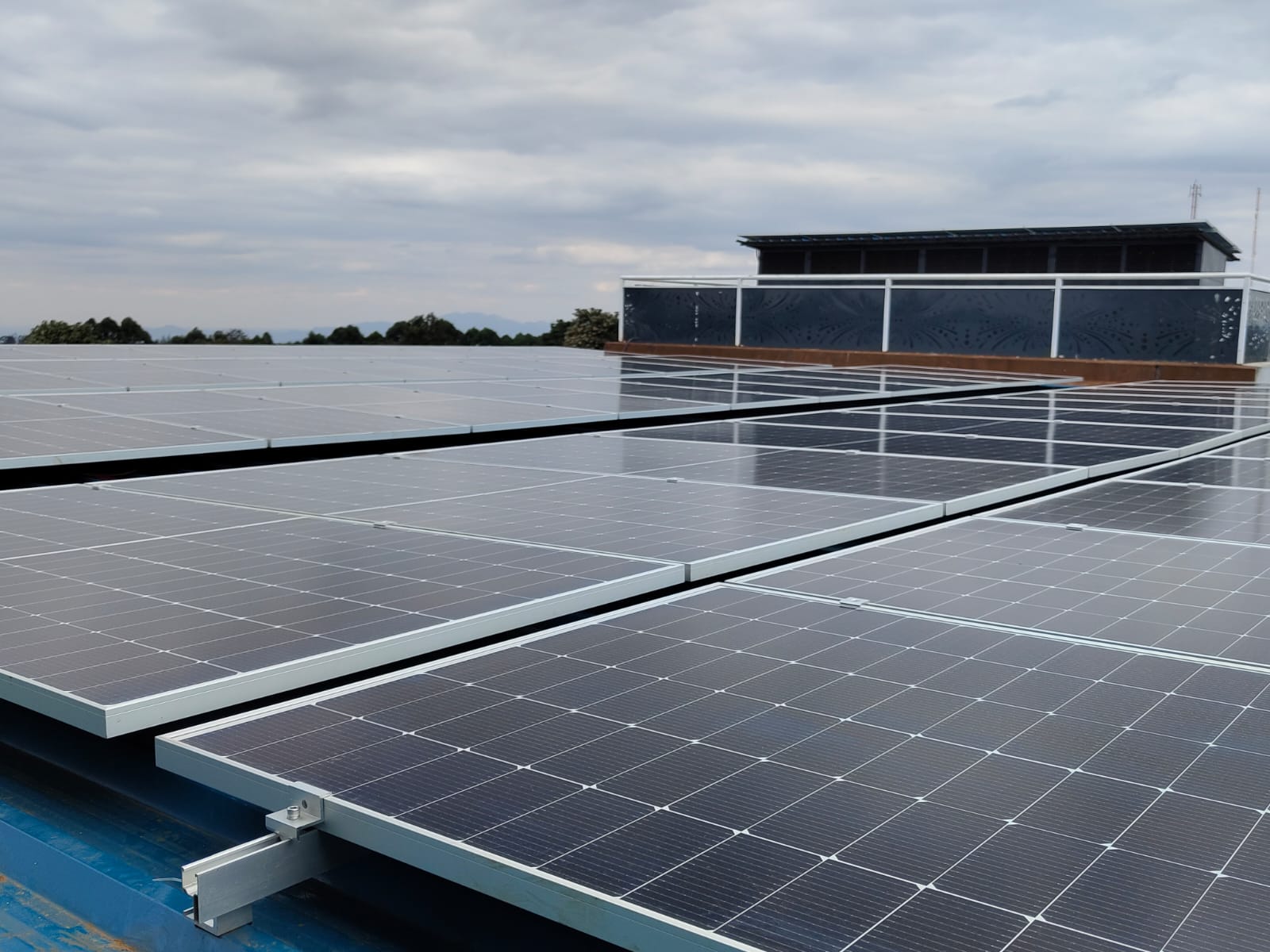
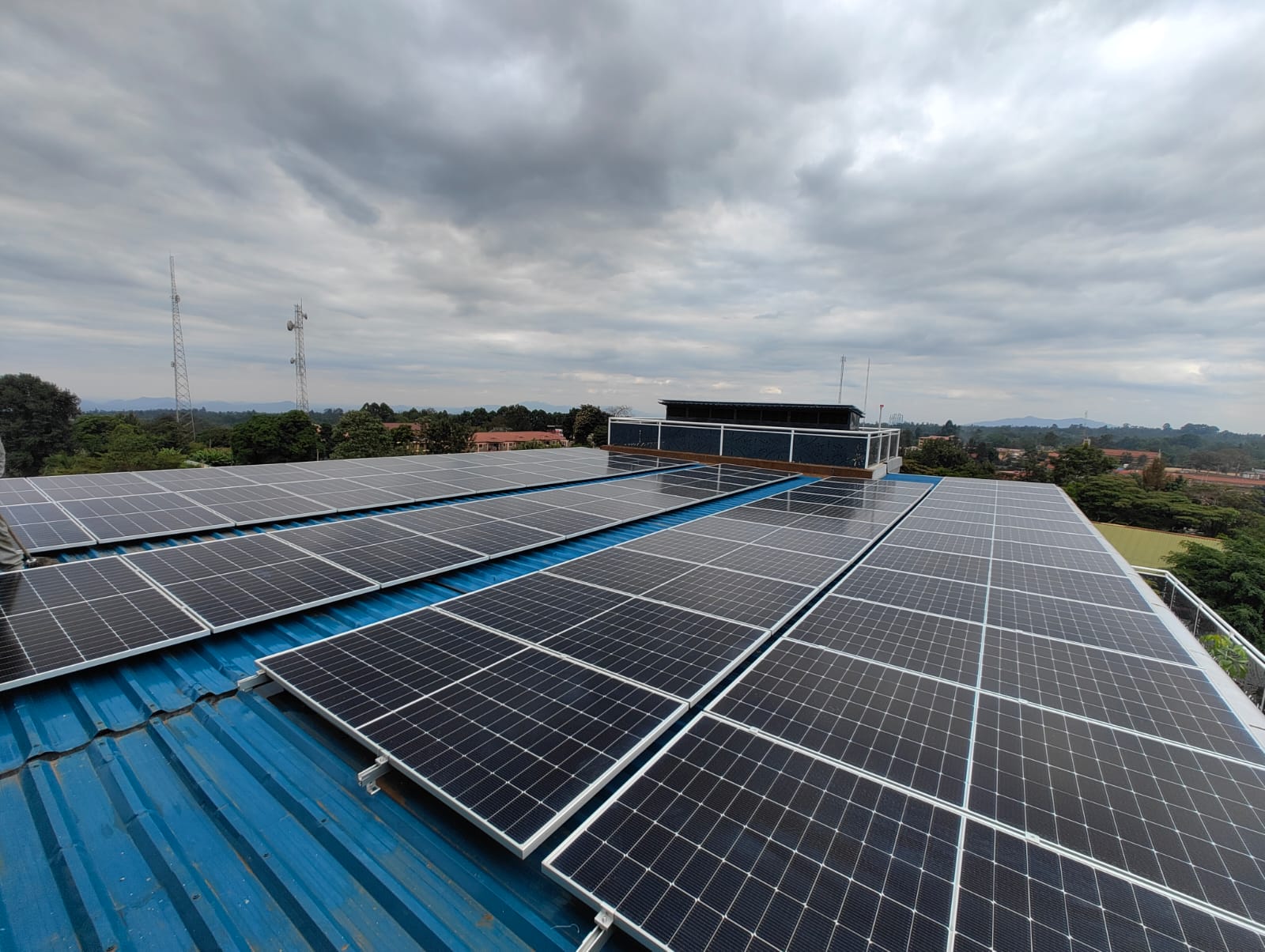
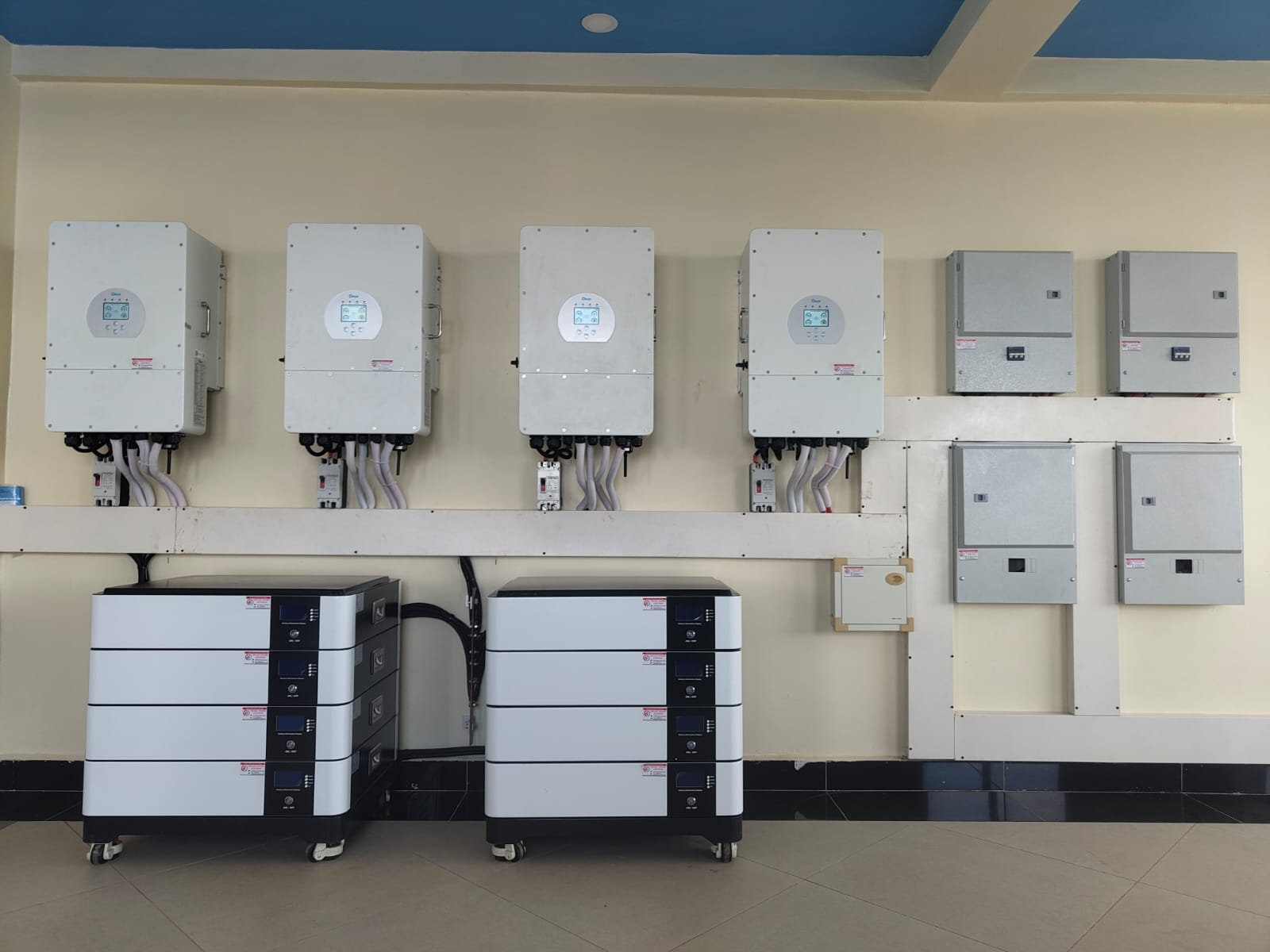
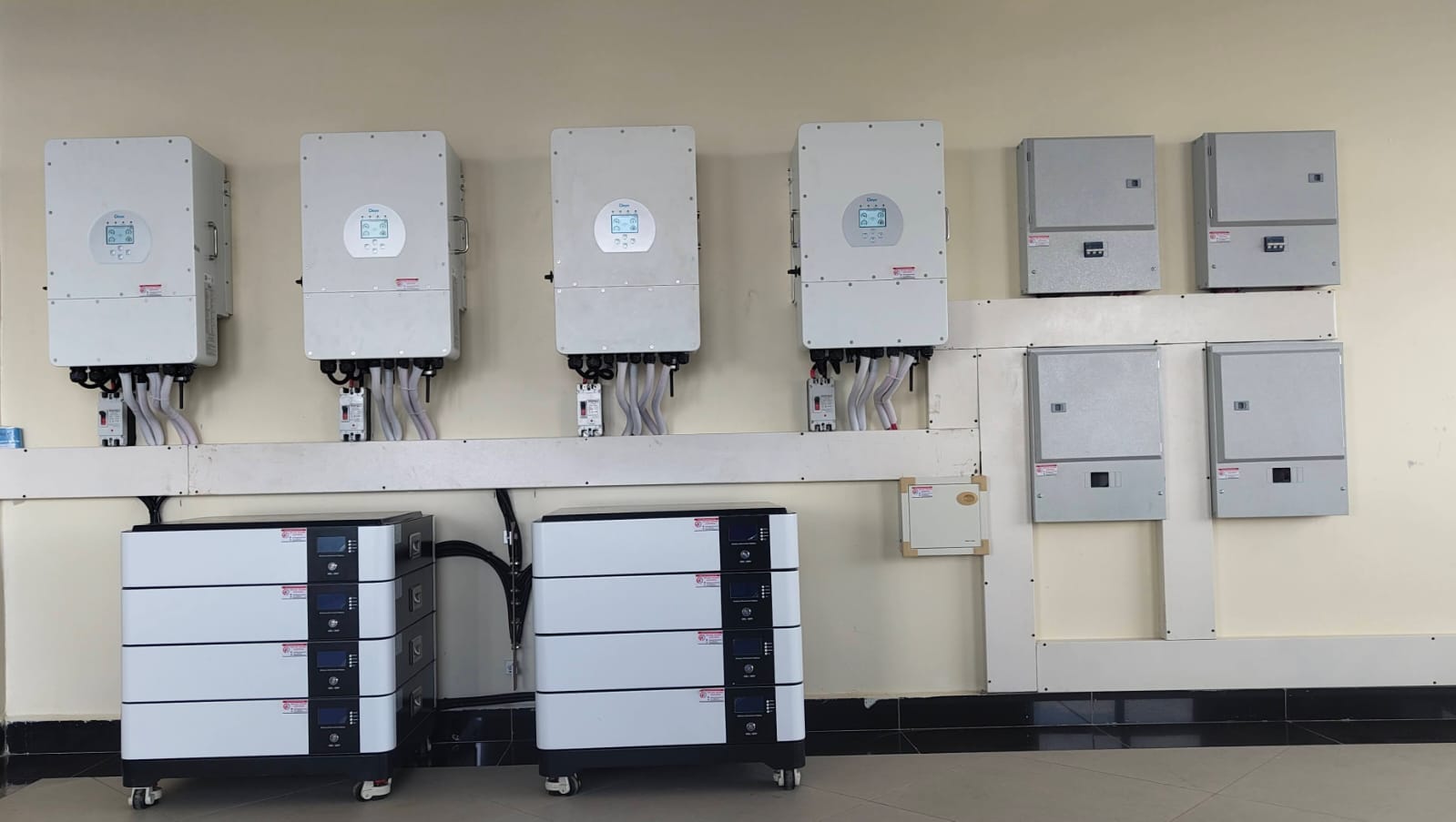
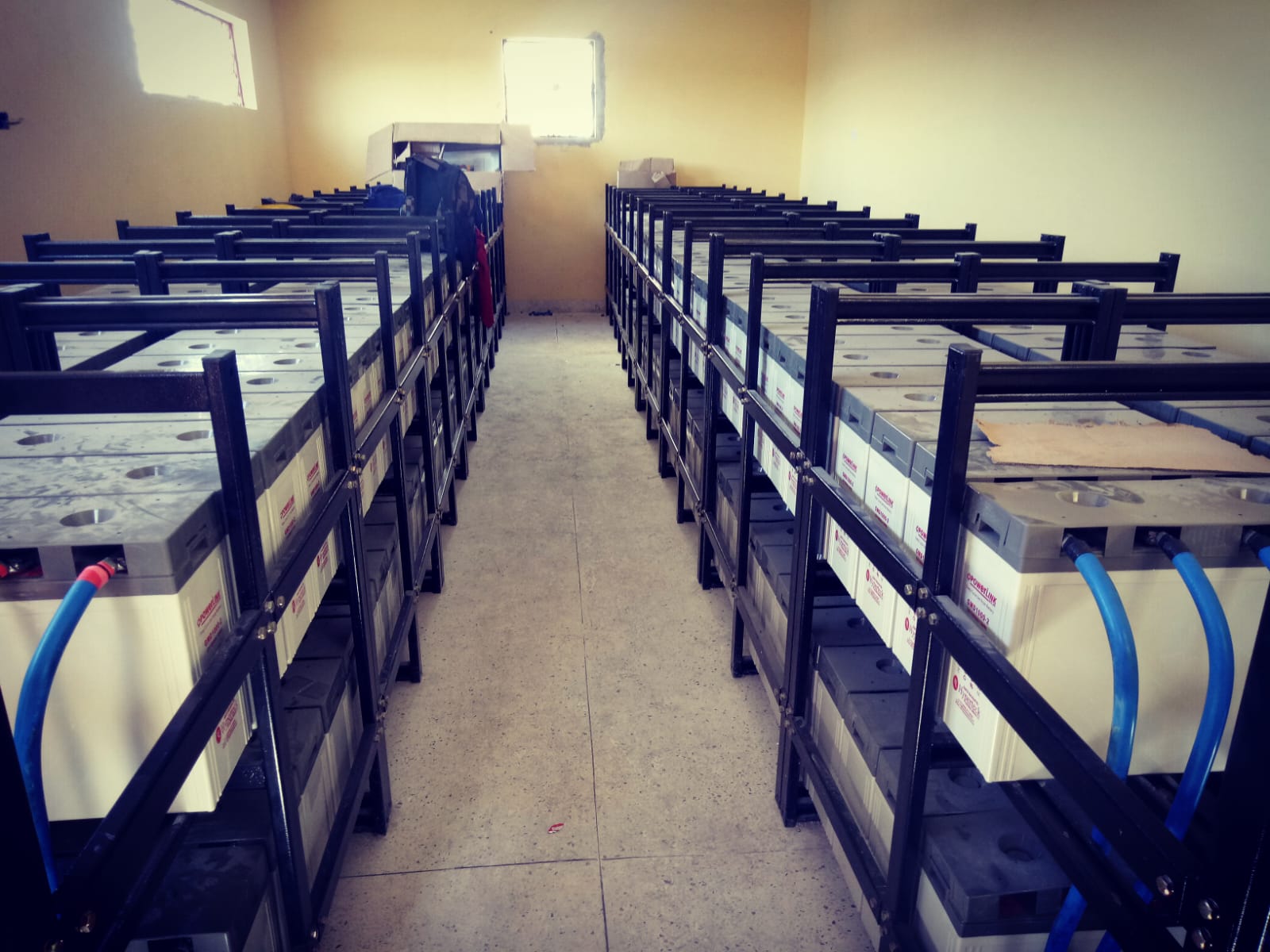
In a world increasingly focused on sustainability and energy efficiency, solar power has emerged as a cornerstone of modern living. But as you begin to explore solar solutions for your home or business, you'll encounter a crucial decision: should you choose an off-grid or a grid-tied system? The answer depends entirely on your goals, location, and budget. At Helios Power Systems, we believe in empowering you with the knowledge to make the best choice. Let's explore these two distinct paths to solar energy. A grid-tied solar system is the most common choice for homeowners and businesses in urban and suburban areas. It’s a straightforward setup where your solar panels are connected directly to the public utility grid. When your panels produce more electricity than you consume, that surplus power is sent back to the grid. In return, you receive credits on your electricity bill through a process known as net metering. This system essentially uses the public grid as a large, shared battery, allowing you to draw power from it at night or on cloudy days when your panels aren't generating enough energy. The primary advantages of a grid-tied system are its cost-effectiveness, as it doesn't require an expensive battery bank, and its reliability, as you always have the utility grid as a backup power source. On the other hand, an off-grid solar system offers complete energy independence. This solution is ideal for remote properties that lack access to the public grid or for individuals who want to be entirely self-sufficient. An off-grid system requires a crucial component: a solar battery bank. This bank stores all the energy your panels produce during the day, providing power for your home at night and on days with low sunlight. Because you are not connected to the public utility, you are completely unaffected by power outages, price fluctuations, or other grid-related issues. The main trade-off is the higher upfront cost due to the necessity of a large-capacity battery system. However, for those seeking total autonomy, this investment is invaluable. The choice between the two often comes down to a few key factors. Cost is a significant consideration; a grid-tied system has a lower initial investment and offers a quicker return through reduced electricity bills. Reliability is another factor; while a grid-tied system is dependent on the public grid for backup, an off-grid system provides uninterrupted power during blackouts. Location is perhaps the most important determinant. If your property is already connected to the grid, a grid-tied system is the most logical and cost-effective choice. If you are in a remote area without grid access, or if you simply desire full self-sufficiency, an off-grid system is the only way to go. At Helios Power Systems, we specialize in designing and installing both off-grid and grid-tied solutions. We don’t believe in a one-size-fits-all approach. Our experts will conduct a thorough assessment of your property, energy consumption, and specific needs to recommend the ideal solar power system for you. We handle everything from the initial consultation and system design to the professional installation and ongoing maintenance. Whether you dream of a completely independent homestead or simply want to cut down on your monthly energy bills, we are here to help you navigate the process and find the perfect renewable energy solution. With our expertise and a commitment to quality, we ensure that your transition to solar is seamless and rewarding. Contact us today to schedule a free consultation and take the first step toward a brighter, more sustainable future.